Showing posts with label gardening. Show all posts

Wednesday, October 3, 2012

School Gardening

Check out the images below for information on the many benefits of teaching children how to garden. 
There are many things you can do to help! If you have a son or daughter in a school that doesn't have a gardening program, encourage the administration to start one as soon as possible. 

You can even print these images out as a PDF and take them along. Kidsgardening.org even provides a guide to help you make your case (more on that Friday!).

Don't have kids, but still want to help, you can Give a Garden or even Become a Sponsor.


from kidsgardening.org


from kidsgardening.org


from kidsgardening.org


from kidsgardening.org


from kidsgardening.org


from kidsgardening.org


from kidsgardening.org


Pin It

Monday, September 17, 2012

Looking for new ideas?

Pinterest is one of the fastest growing social media outlets today. You can find all kinds of amazing ideas on Pinterest (including some PTS content!). If you're looking for a great project for the family or garden, we recommend checking out these two Pinterest gardening tags.


screenshot from pinterest.com

screenshot from pinterest.com


Got a great idea? Share it with us and we'll share it with the world!


Pin It

Wednesday, September 12, 2012

Want to start a Community Garden?

There are many people who would love to garden, but they toss out excuses like "I don't have the space" or "I want to. I just don't want to do it alone". Well, community gardens are becoming ever popular all across the U.S. According to ACGA (American Community Gardening Association), there's only one community garden in Mobile and three in Pensacola. Get it together Mobile!

Community Gardens are a great way to beautify a neighborhood, develop strong and lasting friendships, and stuff your face with delicious home-grown food! Another great aspect of a community garden is that you don't have to go it alone. The other gardeners are there to help you out and are almost always happy to lend a hand.

If you're considering starting a community garden in your area, check out this helpful guide from the USDA.

Pin It

Tuesday, September 11, 2012

Plant in Spotlight: Asparagus

If you've never thought about growing asparagus, you are truly missing out. 

This beautiful and delicious plant is easy to manage, and, if do it right, will keep coming back, on its own, for twenty or more years!

from gardenrum.com

If you want to start asparagus from seed, now is the time to do it. Keep in mind, however, that if you do start it by seed, it will take 2-3 years before you can start harvesting. You can't be short-sighted here. With asparagus, you're in it for the long haul. You do have the option of buying some asparagus that has already developed for at least a year to cut down on your wait time, but it's definitely more rewarding to start the seeds yourself!


If asparagus is something that tickles your palate in just the right way, why not try this classic heirloom variety from Sustainable Seed Co. The Mary Washington Asparagus
Pin It

Friday, August 31, 2012

Take is easy with perennials.

One of the harder things about gardening is having to put in new plants for every season. It's not that we don't love it (we absolutely do), but it is a lot of work. You can ease some of that pain by planting perennials that are capable of sustaining themselves year-round or that come back with little to no assistance. Here are some of our Gulf Coast favorites. (Names of plants, except for siam tulip, link to websites where you can purchase seeds/bulbs)


from eattheweeds.com


from figjamandlimecordial.com


from kids.brittanica.com
 

from manataka.org


from southernexposure.com
 

from beechwoodlandscape.blogspot.com

 Mint

from wikipedia.org


from pacificbulbsociety.org


from theflowersociety.com


Pin It

Monday, August 20, 2012

Fall Vegetable Gardening Seminar

Mobile Botanical Gardens is hosting a 

Fall Vegetable Gardening Seminar 

Saturday, 25 August. 

from mobilebotanicalgardens.org

The cost is $25 for members and 

$35 for non-members (seriously, you're not a member?).


The seminar will cover:
 a planting calendar
recommendations for the Mobile area, 
and a field demonstration (weather permitting).


Pre-registration required. Call 251-342-0555 or email mbg2@bellsouth.net to register.


Pin It

Monday, June 18, 2012

Weeding? Don't Throw Them Out! : Edible Weeds.

Did you know that weeds are not always a bad thing? A weed is any plant that grows where you do not want it to. A rose bush in a corn field may be beautiful, but it's still a weed. With all the rain we've had lately, the weeds will be going crazy, but you shouldn't toss them out or poison them off just yet. Some of them are great and safe to eat. Here are a few edible weeds that you can find all over the place.

 Crow Garlic as the name suggests tastes like garlic. It's bulbs can be harvested pretty much all year, but the leaves are also edible (if a bit stringy).
from treknature.com
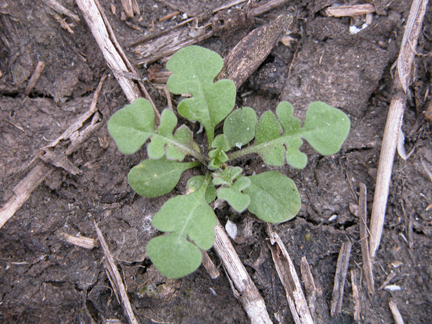
Shepherd's Purse is a very common weed around the Gulf Coast. Though it's rarely consumed here, it's widely cultivated in other parts of the world. It has a cabbage-like flavor and can be eaten raw or cooked. In addition, its seed is a natural mosquito killer. Place the seed in a cup of water. The mosquitoes are attracted to the seed, but get stuck to it because of the seed's gummy texture. The seed also releases a toxic substance that kills mosquito larvae. For humans, it's used as regular food, but also as a diarrhea cure.


from purdue.edu


Yellow Sorrel is an easily recognized weed, but don't underestimate it. The leaves can be used to soothe insect bites and stings. In addition, both the flower and leaves are edible. Use it in salads.

from conservation-issues.co.uk

Dandelions are one of the most recognizable weeds. The leaves have heaps of vitamins and minerals. Unfortunately, they're a bit bitter, so mix it in with some spring greens for a nice salad. You can also eat the flowers, or use them to make wine, if you have the know-how.

from organic-herbal-remedies.com


That's all for today! Keep reading for more helpful gardening and landscaping tips, tricks, and information.


Pin It

Wednesday, June 13, 2012

'Pillars Part 2!

Last week, I gave you some good advice on natural caterpillar control. Well, I'm back with more help to keep your 'maters and other plants safe.


from wikimedia.org
Lemons!

  • Take a few lemon peels (hopefully after you've juiced them for some lemoneade!), cut them into chunks and process them in a food processor or blender.
  • Pour boiling water over the minced lemons and process until liquefied. 
  • Let the mixture sit overnight.
  • Strain the liquid to remove any solid pieces.
  • Using a handheld sprayer (filled with the mixture and some added water), spray your plants from top to bottom.
Caterpillars hate citrus just as much as dogs and cats. You can also do this with oranges, limes, and grapefruits!


from mhmcintyre.us

Garlic!
  • Mix 1/2 cup of peeled and finely chopped garlic with 2 cups of water in a bowl. 
  • Let it sit for at least an hour.
  • Strain out the solids and pour into a handheld sprayer.
  • Apply to plants from top to bottom.
This mixture is extra gentle and can be used on even seedlings. However, because it's gentle, it needs to be applied weekly and especially after any rain.

from photo-dictionary.com

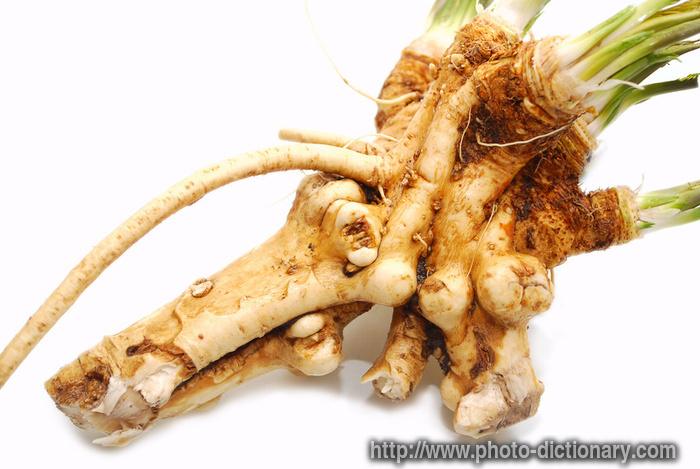
Horseradish!
  • 2 cups of finely chopped dried cayenne peppers (or 1.5 cups fresh)
  • 2 tablespoons of pure horseradish (This means it doesn't have mustard, mayonnaise, or anything else! All you want is horseradish)
  • 3 quarts (12 cups) of water

  • Boil the water
  • Add the ingredients  and let it simmer for about 1 hour
  • Cool to room temperature
  • Strain out the solids
  • Apply with a handheld sprayer from top to bottom.
This concoction is strong and should not be used near seedlings. It is death to not only caterpillars but also beetles, aphids, and whiteflies.


That's it for today! Keep checking in for more gardening tips, tricks, and advice!

Pin It

Friday, June 8, 2012

Taking Care of 'Pillars

Butterflies are a delight to see in our gardens. They help pollinate plants and they're quite beautiful. Caterpillars, however, can become quite a nuisance. Here are some pet and environment safe ways to send those 'pillars packing.


  • Get a bird house and a bird bath - These natural predators will help keep the population down
  • Certain caterpillars and other bugs are repelled by certain plants. Look in a companion planting guide to find out which plants are the best companions for what you want to grow (try chives).
  • Bacillus Thuringiensis (Bt) is a safe, natural pesticide. It is a bacteria that infects caterpillar stomachs. It is safe for bees and other insects, so you don't have to worry about harming other wildlife. You can find it in most gardening stores under the names Dipel, Biotrol, or Thuricide.
  • Take them out/off by hand. You can also kill them by hand, or collect them in a container (with lid) and move them to a place where they can live without your tomatoes, cucumbers, or other foods in their mouths. Maybe there is a public butterfly garden in your area!

Pin It

Wednesday, May 30, 2012

Oh My Aching (fill in the blank) !

Gardening can put a lot of stress on your body, so it's important that you stretch properly. Some strength building exercises can also be helpful.

I've compiled some of the best gardening exercises from all over to help keep you from pulling a muscle instead of a weed.

Gardening involves a lot of bending and can leave many people with back pain. Here are some exercises to strengthen your back and help you stay healthy.

The Bird Dog!


Get on all fours, with your hands directly beneath your shoulders and your knees beneath your hips. Tighten your stomach and leg muscles. Then, raise your right hand and left foot simultaneously and hold them straight out for 6 ~ 10 seconds. Now, switch and hold out your left hand and right foot. Remember to keep your back straight! Do this 10 times per side.

The Swimmer!


Lie flat on the floor, face down, with your arms stretched straight out over your head and your legs straight back. Like with The Bird Dog, you're going to raise your right arm and left leg simultaneously and hold for 6 ~ 10 seconds. Then, raise your left arm and right leg in the same way. Do this ten times per side.

from sparkpeople.com

The Superman!


While in The Swimmer's starting position on the ground, raise both of your arms and your legs simultaneously  (like superman flying). Hold this for 6 ~ 10 seconds.  Repeat 10 times.


The Squat!


Keep your torso upright and your stomach tight. Stand with your legs shoulder width and your feet facing forward. Bend your knees and lower yourself until your bottom is about the same height as your knees. Be sure to keep your back straight and don't stick your butt out! If you're having trouble with balance, try using a chair for support and build up to doing it freestyle.

Stretches!

page 119 of "Stretching" from www.shelterpub.com


For those of you into yoga, try some garden yoga early in the morning before the heat hits. It'll help you stay in shape and give you peace of mind!
Pin It

Monday, May 21, 2012

Stain, Stain, Go Away!

If you've been enjoying the beautiful weather we've had lately, you've probably spent a fair amount of time in your garden or yard. It's not uncommon after a long day of trimming hedges and tree branches, digging holes, pulling weeds, and mowing the lawn to come in with some grass, dirt, and even blood stains on your clothing. I know most of us probably aren't out there in any Louis Vuitton, but that doesn't mean it's okay to let the stains stay. Here are some easy tips to knock those stains out!

As always, when  trying new cleaning or stain removal techniques, try it out in an inconspicuous place first. You don't to ruin anything because of rashness. 


1. The first tip is a classic: Club Soda. Soak the item of clothing in club soda for a few hours to help loosen up stains, then wash as normal.
2. Hydrogen Peroxide. Yes, it's not just for cuts!
3. Baking Soda. Make a paste using 6 tablespoons of baking soda and 1/2 cup of water. Rub this on clothing to help remove stains.
4. Effervescent tablets. That's right. It doesn't just get stains off dentures. It'll get them off your shorts too!
5. Last, but not least, one of our best friends, Vinegar. Just soak the clothes in vinegar, then wash as normal.


Pin It

Friday, March 30, 2012

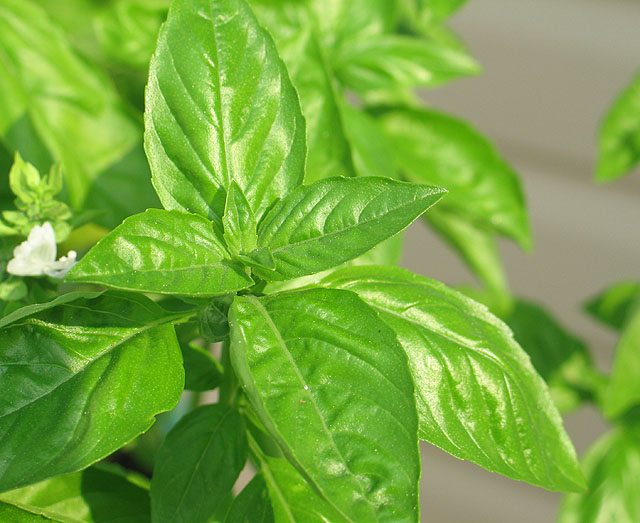
Planting Tomatoes? Don't Forget the Basil and Parsley!

Planting basil and parsley with your tomatoes isn't just for eating. They help each other grow!

Companion planting is a great way to help your garden help itself--that means less work on your part and more reward.

Today, we'll look at three plants that are great together.

If tomatoes are your pride, then you'll definitely want to plant basil nearby. Basil helps tomatoes repel both insects and disease--in addition to aiding in growth and flavor (before and after you cook them!). Parsley will also add to tomato growth and hardiness.


Basil also repels mosquitoes and flies (including fruit flies).
Parsley also benefits asparagus (another good companion plant for tomatoes) and roses (against rose beetles).

from onlyfoods.net

from ghorganics.com

from tulsamastergardeners.com


Pin It

Monday, March 26, 2012

Gardening and Safety Tips Straight from the CDC

The Center for Disease Control has compiled a great list of safety tips for every gardener. Whether you're new to the garden, or you've had dirt under your nails for years, these tips can make your gardening safer, healthier, and more enjoyable.

Pin It

Friday, March 16, 2012

Spring Weeds

Since winter was so mild this year, the spring weeds are coming in early and they're coming in strong. Take quick action with an all natural weed killer that won't break the bank!

What you need:

  • Adjustable Spray Bottle
  • Vinegar
That's it!

Fill your spray bottle with cheap, natural, white vinegar. Spray your weeds as closely as possible to avoid hitting the plants you want to keep. 

(Hint: Keeping your garden fertilized at the appropriate levels, will help stave off the weeds naturally.)

from furniturehomedesign.com
Spray bottles are a must for the DIY gardener!

Pin It

Wednesday, March 7, 2012

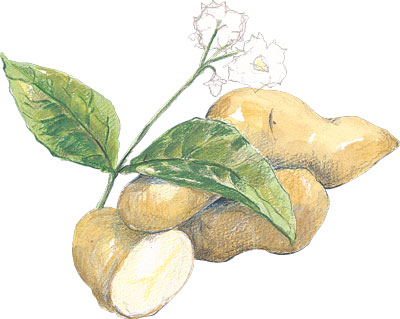
One potato, two potato, three potato, four, five potato, six potato, seven potato more!

It's time to get those spuds into the ground!

Potatoes are an extremely versatile food crop that's fairly easy to grow. Whether you want it baked, boiled, sautéd, gnocchied, scalloped, mashed, fried, or au gratined potatoes are a great food source that you can plant even in a small area.

So put on your gloves and plant some taters!

This year, why not try an interesting variety and surprise your friends. Here are a few heirlooms and special tubers that you may not have seen!

from andreachesman.squarespace.com/

from seedsavers.org

from southernexposure.com


Can't decide? Try a variety pack!

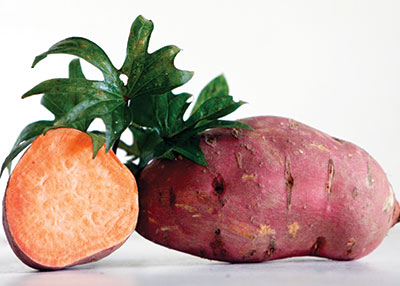
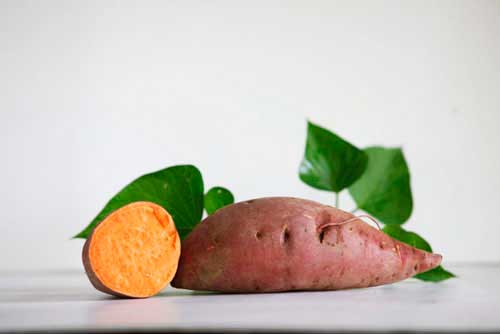
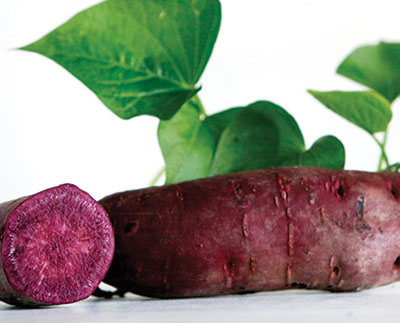
Want to get an early start? Here are some sweet potatoes and yams that will breathe new life to your garden and your taste buds!

from southernexposure.com

from southernexposure.com


from southernexposure.com


The seed provider linked to above is a trusted source for ethically grown heirloom and organic seeds. For more information, visit their website at www.southenexposure.com 


Pin It

Wednesday, February 29, 2012

Know Your Zone! The USDA Plant Hardiness Zone Map Has Changed

It's true. The USDA Plant Hardiness Zone Map has changed, big time. It now has 26 zones.

If you're in the Southeast, click on your state to view the different zones! If you're somewhere else, click the link above and you can select your state from a drop-down list or by entering your zip code.

Since we're based in Alabama, here's Alabama's map for you! Most of the Mobile area is zone 9a. Dauphin Island is 9b. 

From the USDA website: 
"The 2012 USDA Plant Hardiness Zone Map is the standard by which gardeners and growers can determine which plants are most likely to thrive at a location. The map is based on the average annual minimum winter temperature, divided into 10-degree F zones.

For the first time, the map is available as an interactive GIS-based map, for which a broadband Internet connection is recommended, and as static images for those with slower Internet access. Users may also simply type in a ZIP Code and find the hardiness zone for that area.

No posters of the USDA Plant Hardiness Zone Map have been printed. But state, regional, and national images of the map can be downloaded and printed in a variety of sizes and resolutions."

Pin It

Monday, February 27, 2012

PTS Recommendation - Felder Rushing

A great radio program from MPB (Mississippi Public Broadcasting) is Felder Rushing's Gestalt Gardener. Apart from being informative, the show is entertaining and often humorous. Felder's "down-home" approach to gardening is really in sync with the growing home-grown movement as well as the "buy local" and craft food movements that are popular right now. Learn everything from how to properly compost to when you should plant your tomatoes!

The show is Friday (9am) and Saturday (10am) mornings, so don't miss it! Or, if you can't wait, you can listen to some recent episodes online (look below). Here's one titled "Sustainable in 2012".

Check out his show at the Gestalt Gardener link above, or check it out below!


Here's the bio from Felder's personal website:

"Felder Rushing is a 10th-generation American gardener whose pioneer ancestors (several lines of which were involved, on one side or the other, with the American revolution), settled across the Southeast, bringing many plants with them. Rushing's overstuffed, quirky cottage garden has been featured in many TV programs and magazines - including a cover of Southern Living and in the New York Times - and includes a huge variety of weather-hardy plants along with a collection of vernacular folk art. There is no turfgrass, just plants, yard art, and "people places."

Felder currently travels extensively for lectures or garden tours from both his cottage in Mississippi, and a farmhouse in England's rural Midlands near Wales.

The author or co-author of 17 gardening books (including several national award winners) and former Extension Service urban horticulture specialist (fully retired, at an early age) has written thousands of gardening columns in syndicated newspapers, and has had hundreds of articles and photographs published in regional and national garden magazines, including Garden Design, Horticulture, Garden Weekly (an English publication), Landscape Architecture, Better Homes and Gardens, Fine Gardening, Organic Gardening, and the National Geographic.

Felder, who was celebrated in Southern Living magazine's 25th anniversary issue as one of "twenty five people most likely to change the South" has been featured three times in full-length articles in the New York Times. He has hosted a television program that was shown across the South, and appeared many times on other TV garden programs. Felder hosts a popular weekly call-in garden program on NPR affiliate stations called The Gestalt Gardener.

Rushing has served many years as a distinctly non-stuffy board member of the American Horticulture Society, national director of the Garden Writers Association, and member of the National Youth Gardening Committee. A rare male honorary member of Federated Garden Clubs of Mississippi and twice past president of his state's only chapter of the Mens' Garden Club (now Gardeners of America), Felder gives many dozens of lectures and workshops every year, coast to coast and overseas, at flower shows, horticultural and plant society meetings, and Master Gardener conferences.

Believing that too many would-be gardeners are intimidated by a crush of "how-to" experts ("We are daunted, not dumb," he says), Felder uses an offbeat, "down home" approach rife with humorous anecdotes and garden-irreverent metaphors, zany observations, and stunning photography and to help gardeners get past the "stinkin' rules" of horticulture."
Pin It

Monday, February 20, 2012

Seeds, Seeds, Seeds, and More Seeds!

Ready to garden? Check!
Space? Check!
Gear? Check!
Home-made Soaker hose? Check!
Plenty of fluids? Check!
Seeds?  ...
...
You don't have your seeds? Don't worry. Here is an online database for all of your seed sources! You can, of course, always go to your local supply store and purchase seeds, but if you want your garden to really stand out, you'll need to get interesting varieties and (hopefully) some heirlooms. Check out the list below, see what you like, and pick out your seeds!

We highly recommend Southern Exposure Seed Exchange for organic and heirloom seeds!


Pin It

Friday, February 10, 2012

The Delicious Bouquet - Edible Flowers

Did you know you can have your garden and eat it too?

We're not talking about just fruits and berries. There's a how bouquet of flowers that you can eat from your garden. 
From whatscookingamerica.net

Here is a list of a few edible flowers that look beautiful both in your garden and in your salad!

  • Marigold*
  • Roses
  • Pansies
  • Zinnias
  • Daylilies
  • Honeysuckles
  • Camellia
  • Hibiscus
  • Geraniums
  • Gladiolas
  • and more!
*Not All Varieties - only Calendula Officinalis 


Now that you know a few of the edible plants you can find in your yard, here are some rules before you go chomping down. 

  • For many flowers, only the petals are edible. Be sure to check with a field guide before putting leaves, stems, or pollen in your mouth!
  • Do not anything that has been treated with chemical pesticides. As a general rule, if it's poisonous enough to kill bugs, it's probably not the best for you either!
  • Never eat flowers from the side of the road or from a garden or field you do not know the pesticide and fertilizer history of. 
  • Avoid eating any blooms that have been treated with chemical fertilizers or preservatives.
  • Don't over do it! As with any new food, add it into your diet gradually. We don't want any upset tummies! 


Pin It

Wednesday, February 8, 2012

PT(K) - Planting the Knowledge - DIY Soaker Hose

Remember last summer? Remember the drought? No one wants their garden to look like this:
 From: fromdamascustoemmaus.com
No one wants a garden to look like that, but with the high heat in the Southeast, coupled with a disappointing lack of rain, it's hard to have a good looking garden (and can be quite expensive to use traditional watering methods).

Now, there's a better way to water your garden: Soaker or Drip Hoses. These hoses deposit water directly on top of the soil, under the leaves, so the sun doesn't evaporate as much and it takes less water (and less money) to get the same job done.

You can't run soaker/drip hoses up and down your whole yard for your grass, but you can use it for your flower beds, raised bed gardens, and shrubs that you want to keep looking lush and healthy.


What you'll need:

  • Drinking Water Safe Hose* (About $18 for 50ft at Walmart, but check a local supply store first)
    • OR for ornamental plants, that you do not intend to eat, just grab the oldest hose in your garage to save money!
  • Drill Bit and Drill Set
  • Hose Cap/ End Cap
  • Tape Measure

How to do it:
  1. Purchase a "Drinking Water Safe" hose (as approved by the FDA) whatever length you need. Or, if you have an old hose that is "Drinking Water Safe", use that to save money! Do not use an old hose that is not "Drinking Water Safe"!*
  2. Lay out your hose against your extended tape measure. 
  3. Mark every 3 inches for drilling. Or, find out where the base of each plant is and only mark those distances to save even more money.
  4. Using a 1/16 drill bit, drill a hole all-the-way-through.
  5. Attach the hose cap/end cap so that you're not wasting water out the end and so that it drips properly. 
  6. Lay your hose in your garden making sure to align the holes with the base of plants. Remember to keep the hose close to the plants so that you don't waste any water unnecessarily. 
  7. Run the water at a trickle for about thirty to forty-five minutes and you're all finished!

*Traditional water hoses are often made from reprocessed materials from the automotive industry and can contain up to 100 times the amount of lead designated as safe to drink by the Environmental Protection Agency. Be sure to use only "Drinking Water Safe" hoses approved by the Food and Drug Administration.

Good luck and happy gardening!

Pin It