Showing posts with label tips. Show all posts

Friday, August 31, 2012

Take is easy with perennials.

One of the harder things about gardening is having to put in new plants for every season. It's not that we don't love it (we absolutely do), but it is a lot of work. You can ease some of that pain by planting perennials that are capable of sustaining themselves year-round or that come back with little to no assistance. Here are some of our Gulf Coast favorites. (Names of plants, except for siam tulip, link to websites where you can purchase seeds/bulbs)


from eattheweeds.com


from figjamandlimecordial.com


from kids.brittanica.com
 

from manataka.org


from southernexposure.com
 

from beechwoodlandscape.blogspot.com

 Mint

from wikipedia.org


from pacificbulbsociety.org


from theflowersociety.com


Pin It

Friday, June 29, 2012

Save on Water This Summer!

Sure, there are loads of ways to save water in the home, but did you know there are also a bunch of ways you can save water in your garden?

Try these helpful tips to keep your water bill down during these hot, hot months:


  • Use a lot of native shrubs in your landscaping. Native plants generally require less watering than non-native plant species. (As a bonus, you're helping to preserve the historic landscape of your community.)
  • Use mulch around trees and plants to reduce evaporation and help control those pesky water-stealing weeds. You can also use pine straw, straw, or dead leaves. Many people like to use rocks in their gardens, but you have to be careful. Many plants are sensitive to how hot rocks will get in the summer and you could end up burning your plants.
  • Water your garden or lawn ONLY in the evening or the early morning hours. this will let the plants absorb all the water they need, without losing much to evaporation.
  • Get a drip irrigation system, so that you're only watering where you need water. Sprinklers tend to water everything, including sidewalks, steps, and sides of houses. A drip irrigation system is better for your plants and for your pocketbook.
  • And, of course, make sure you don't have any leaks in your outdoor faucet, garden hose, or irrigation/sprinkler system!
from shutterstock.com


Pin It

Wednesday, June 13, 2012

'Pillars Part 2!

Last week, I gave you some good advice on natural caterpillar control. Well, I'm back with more help to keep your 'maters and other plants safe.


from wikimedia.org
Lemons!

  • Take a few lemon peels (hopefully after you've juiced them for some lemoneade!), cut them into chunks and process them in a food processor or blender.
  • Pour boiling water over the minced lemons and process until liquefied. 
  • Let the mixture sit overnight.
  • Strain the liquid to remove any solid pieces.
  • Using a handheld sprayer (filled with the mixture and some added water), spray your plants from top to bottom.
Caterpillars hate citrus just as much as dogs and cats. You can also do this with oranges, limes, and grapefruits!


from mhmcintyre.us

Garlic!
  • Mix 1/2 cup of peeled and finely chopped garlic with 2 cups of water in a bowl. 
  • Let it sit for at least an hour.
  • Strain out the solids and pour into a handheld sprayer.
  • Apply to plants from top to bottom.
This mixture is extra gentle and can be used on even seedlings. However, because it's gentle, it needs to be applied weekly and especially after any rain.

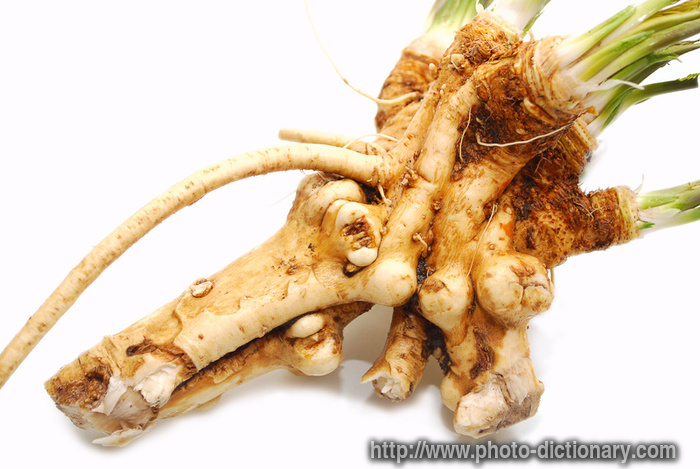
from photo-dictionary.com

Horseradish!
  • 2 cups of finely chopped dried cayenne peppers (or 1.5 cups fresh)
  • 2 tablespoons of pure horseradish (This means it doesn't have mustard, mayonnaise, or anything else! All you want is horseradish)
  • 3 quarts (12 cups) of water

  • Boil the water
  • Add the ingredients  and let it simmer for about 1 hour
  • Cool to room temperature
  • Strain out the solids
  • Apply with a handheld sprayer from top to bottom.
This concoction is strong and should not be used near seedlings. It is death to not only caterpillars but also beetles, aphids, and whiteflies.


That's it for today! Keep checking in for more gardening tips, tricks, and advice!

Pin It

Monday, June 11, 2012

Rain Rain Go Away! Please!

These last few days of crazy weather have left many along the gulf with waterlogged feet. Soggy shoes aren't the only problem with all this rain, if you don't have (very) good drainage in your garden, your beloved plants will be sitting in rainwater for days. Unless you've got a bog garden or a rice paddy, this is not such a good thing.

Here's how you can tell if your plants need a change of shoes (are suffering from too much water).

There are three main effects of too much water: Waterlogged soil, Soil Compaction, and Disease.

Waterlogged soil:


How to recognize:

  • Yellowing leaves that wilt and drop off
  • The soil's surface is soaking wet
  • Plant roots are black, soft, soggy, and smell of sulfur (rotten eggs)
  • Growth is stunted or the plants die
What to do:
  • Remove any black roots
  • Add organic mater to the soil
  • Add mulch to help soak up some excess water
How to prevent it:
  • Build a raised bed! This is one of the best ways to encourage proper drainage, maintain soil ph levels, and extend the growing season.
  • Make sure to feed your plants at the appropriate times to encourage health root growth.
  • If you have clay soil, add plenty of organic matter and mulch to loosen it up and aid in drainage.
Soil Compaction:

How to recognize:
  • This happens after extended periods of having waterlogged soil and is encouraged by walking or driving on the soil. If your soil easily turns to mud or easily floods, you probably have a compaction problem.
What to do:
  • Spike your lawn and add some lime-free sand. This will help aerate the soil, aid in drainage, and encourage plant growth.
  • Do not walk or drive on wet soil!
Disease:

The two above problems can easily lead to diseased plants and fungal growth. Mushrooms may be delicious, but these aren't the kind you want to eat! To prevent disease, follow the above measures. 
If you've already got it, try to save the plant by removing diseased parts, feeding properly, and removing the problem (in this case, water). 
If you're using potted plants, try removing the plant from the pot, trimming off rotted roots, and allowing the root ball to drain over night on top of some newspaper.
To help prevent it from getting this far, build a raised bed (are you getting my hints?), install a drainage system, and remember to regularly water your plants during dry spells--plants that have had little water for long periods of time are more prone to disease caused by getting waterlogged. 

Pin It

Monday, May 21, 2012

Stain, Stain, Go Away!

If you've been enjoying the beautiful weather we've had lately, you've probably spent a fair amount of time in your garden or yard. It's not uncommon after a long day of trimming hedges and tree branches, digging holes, pulling weeds, and mowing the lawn to come in with some grass, dirt, and even blood stains on your clothing. I know most of us probably aren't out there in any Louis Vuitton, but that doesn't mean it's okay to let the stains stay. Here are some easy tips to knock those stains out!

As always, when  trying new cleaning or stain removal techniques, try it out in an inconspicuous place first. You don't to ruin anything because of rashness. 


1. The first tip is a classic: Club Soda. Soak the item of clothing in club soda for a few hours to help loosen up stains, then wash as normal.
2. Hydrogen Peroxide. Yes, it's not just for cuts!
3. Baking Soda. Make a paste using 6 tablespoons of baking soda and 1/2 cup of water. Rub this on clothing to help remove stains.
4. Effervescent tablets. That's right. It doesn't just get stains off dentures. It'll get them off your shorts too!
5. Last, but not least, one of our best friends, Vinegar. Just soak the clothes in vinegar, then wash as normal.


Pin It

Wednesday, May 9, 2012

PTK - Do It Yourself - Sub Irrigation Planter

If you're looking for an interesting way to conserve water and nutrients in your garden, you'd be hard-pressed to find a method cheaper to start and more efficient than sub-irrigation planting.


The idea behind sub-irrigation planting (seepage irrigation) is that water is absorbed upwards from underneath the plant. Excess water can be recycled to water other plants.

Below is a step-by-step guide to help you get started.


Materials Needed:

  • 2 liter empty plastic bottle (any regular soda bottle will do)
  • scissors
  • Moisture wicking fabric (4inches long and 1 inch wide)
  • Potting soil mix (a little peat (sphagnum) moss with some organic fertilizer doesn't hurt either)
Directions:
  1. Cut the 2 liter bottle in half. The bottom half should be 5 inches tall.
  2. In the top half, make puncture holes spaced 1 inch apart. The holes should be 3/8 in diameter and spaced evenly all the way around.
  3. Turn the top half upside down so that the cap part is facing the ground. Remove the cap.
  4. Insert the moisture wicking fabric into the cap hole. Leaving about half of one inch sticking out of the cap hole. The rest of the 4 inches should be inside the top half of the bottle.
  5. Pour about 3 cups of your potting mix into the top half of the bottle, making sure to work the soil around the wicking fabric.
  6. Add about 1.5 inches of water to the bottom half of the bottle (not the half with the soil).
  7. Put the top half of the bottle (soil half) into the bottom half (water side). The bottom half of the bottle should hold the top half without your assistance. 
  8. Plant seeds or seedlings. Use a little water to settle the soil around the new plants.
  9. The wicking fabric should bring the water from the basin and into the soil, so that you only need to add water to the basin once the roots have taken hold.

That's it! Now you have a recycled, water-saving pot. In addition, it's a great conversation piece! Try this out with some fresh herbs like basil, chives, sage, and oregano.


from 2literrocket.com


Too much for you? Stick around. We'll have more great tips for what you can do with other household items coming up soon! Keep planting!
Pin It

Monday, March 26, 2012

Gardening and Safety Tips Straight from the CDC

The Center for Disease Control has compiled a great list of safety tips for every gardener. Whether you're new to the garden, or you've had dirt under your nails for years, these tips can make your gardening safer, healthier, and more enjoyable.

Pin It