Showing posts with label pest control. Show all posts

Wednesday, June 13, 2012

'Pillars Part 2!

Last week, I gave you some good advice on natural caterpillar control. Well, I'm back with more help to keep your 'maters and other plants safe.


from wikimedia.org
Lemons!

  • Take a few lemon peels (hopefully after you've juiced them for some lemoneade!), cut them into chunks and process them in a food processor or blender.
  • Pour boiling water over the minced lemons and process until liquefied. 
  • Let the mixture sit overnight.
  • Strain the liquid to remove any solid pieces.
  • Using a handheld sprayer (filled with the mixture and some added water), spray your plants from top to bottom.
Caterpillars hate citrus just as much as dogs and cats. You can also do this with oranges, limes, and grapefruits!


from mhmcintyre.us

Garlic!
  • Mix 1/2 cup of peeled and finely chopped garlic with 2 cups of water in a bowl. 
  • Let it sit for at least an hour.
  • Strain out the solids and pour into a handheld sprayer.
  • Apply to plants from top to bottom.
This mixture is extra gentle and can be used on even seedlings. However, because it's gentle, it needs to be applied weekly and especially after any rain.
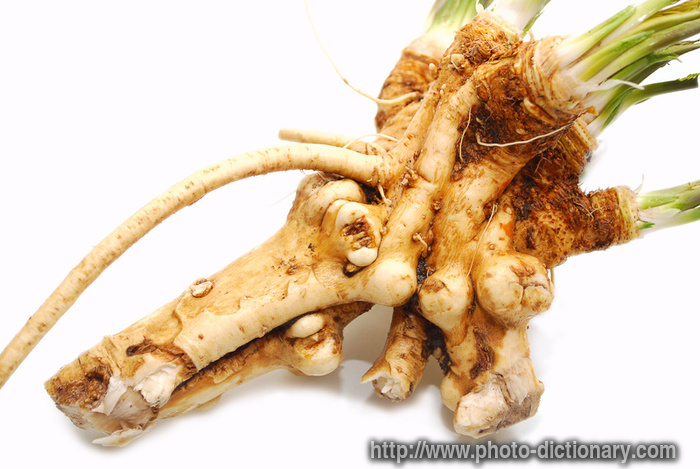
from photo-dictionary.com

Horseradish!
  • 2 cups of finely chopped dried cayenne peppers (or 1.5 cups fresh)
  • 2 tablespoons of pure horseradish (This means it doesn't have mustard, mayonnaise, or anything else! All you want is horseradish)
  • 3 quarts (12 cups) of water

  • Boil the water
  • Add the ingredients  and let it simmer for about 1 hour
  • Cool to room temperature
  • Strain out the solids
  • Apply with a handheld sprayer from top to bottom.
This concoction is strong and should not be used near seedlings. It is death to not only caterpillars but also beetles, aphids, and whiteflies.


That's it for today! Keep checking in for more gardening tips, tricks, and advice!

Pin It

Friday, June 8, 2012

Taking Care of 'Pillars

Butterflies are a delight to see in our gardens. They help pollinate plants and they're quite beautiful. Caterpillars, however, can become quite a nuisance. Here are some pet and environment safe ways to send those 'pillars packing.


  • Get a bird house and a bird bath - These natural predators will help keep the population down
  • Certain caterpillars and other bugs are repelled by certain plants. Look in a companion planting guide to find out which plants are the best companions for what you want to grow (try chives).
  • Bacillus Thuringiensis (Bt) is a safe, natural pesticide. It is a bacteria that infects caterpillar stomachs. It is safe for bees and other insects, so you don't have to worry about harming other wildlife. You can find it in most gardening stores under the names Dipel, Biotrol, or Thuricide.
  • Take them out/off by hand. You can also kill them by hand, or collect them in a container (with lid) and move them to a place where they can live without your tomatoes, cucumbers, or other foods in their mouths. Maybe there is a public butterfly garden in your area!

Pin It

Friday, May 4, 2012

Pest Control - Cockroaches

Cockroaches may not ruin your garden but they can ruin your gardening experience.

Here's an environmentally friendly an pet safe way to take care of those buggy bugs!

Take equal parts Baking Powder and Sugar. Mix them well and put it in a bowl or saucer near the problem area.

Note: make sure it's baking powder and not baking soda!
Pin It

Wednesday, April 18, 2012

Controlling Deer

If you're more on the outskirts of town (or flat out in the country) you might have a little trouble with that very agile animal: Deer. There are several ways to keep deer out of or away from your garden.
Here's a great video from the National Gardening Association to help you out. 


Pin It