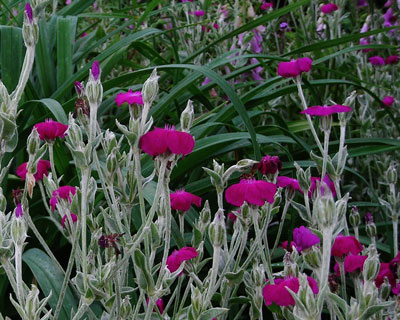
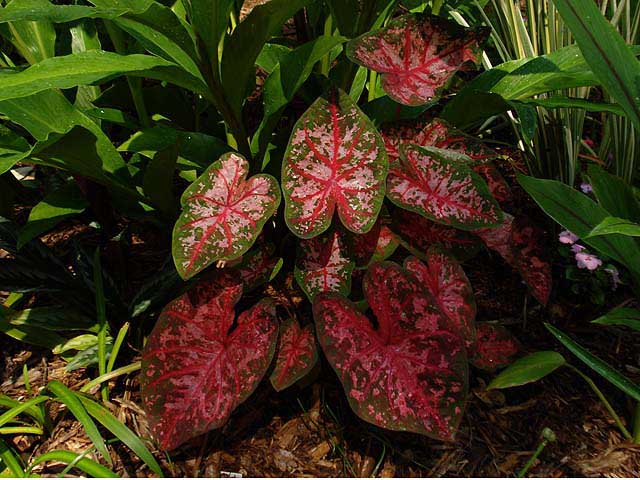
One of the harder things about gardening is having to put in new plants for every season. It's not that we don't love it (we absolutely do), but it is a lot of work. You can ease some of that pain by planting perennials that are capable of sustaining themselves year-round or that come back with little to no assistance. Here are some of our Gulf Coast favorites. (Names of plants, except for siam tulip, link to websites where you can purchase seeds/bulbs)
You've worked hard this summer and you've had some beautiful and delicious plants because of it. Don't let all of that work go to waste! Take steps now to harvest and save your seeds for next year. Not only is it a great way to be more involved in your garden (and allow you, if you're brave, to try and create your own varieties), but it will also save you money on seeds next go 'round.
Saving seeds is especially important if you're growing heirloom fruits, vegetables, or flowers. Heirloom plants are growing ever closer to extinction and by you saving (and hopefully sharing) your seeds, you can personally keep that from happening. Some of the varieties we have today have been saved from extinction by single families! You may not feel like a hero, but you can be one by planting, harvesting, and sharing heirloom seeds.
Not all seeds were created equal, so some of them require special care, but for the most part basic steps are the same. Be sure to check one of the guides below before harvesting your seeds. We don't want you to waste your time and not do it properly.
The Basics:
Cut open the vegetable or fruit.
Remove the seeds.
If the seeds are large enough, clean them with water in a colander or a wire mesh sieve. If they are very small (like tomato seeds), you may need to soak the seeds in water for a few days first, to discourage bacteria. The goal is to remove all plant matter that is not part of the seed.
After the plant matter has been removed, dry the seeds in a towel, paper towel, or on a paper plate for a few days until they are dry.
Put the dry seeds into a paper container (like the ones you would receive seeds in when you purchase them). Label the container with the type of seed and the date. After seeds are more than one year old, the yield rate drops drastically and you'll have to use many more seeds to achieve the same results.
Finally, put the seeds into the freezer or refrigerator. You need to keep them dry and cold.
Watch this great video from Cliff Middleton about how to save tomato seeds:
Tips!
Don't save hybrids! Hybrids are unpredictable and you don't know what you'll get the next year. To be safe, use only heirloom seeds.
Save seeds from plants that are ripe, but not overly so. If the plant is over-ripe, the seeds may already be germinating. If the plants are not ripe enough, the seeds won't be ready.
Choose the absolute best-of-the-best from your garden to save. These are the ones whose qualities you'll want to pass on to the next generation. If you pass on eating it now, you'll have even better ones to eat next time.
If the plant has suffered blight or any other wilting disease and has survived and produced a beautiful fruit or vegetable, it's okay to save seeds from that plant. Don't worry, nature is tough!
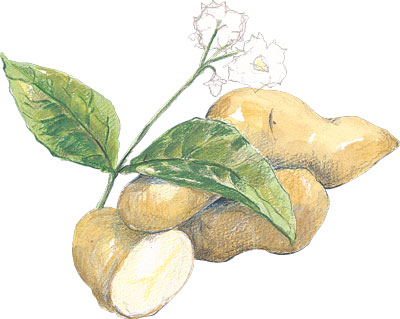
Potatoes are an extremely versatile food crop that's fairly easy to grow. Whether you want it baked, boiled, sautéd, gnocchied, scalloped, mashed, fried, or au gratined potatoes are a great food source that you can plant even in a small area.
So put on your gloves and plant some taters!
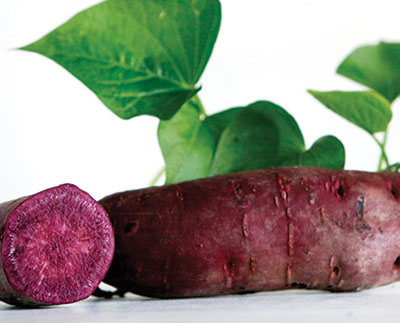
This year, why not try an interesting variety and surprise your friends. Here are a few heirlooms and special tubers that you may not have seen!
The seed provider linked to above is a trusted source for ethically grown heirloom and organic seeds. For more information, visit their website at www.southenexposure.com
Ready to garden? Check!
Space? Check!
Gear? Check!
Home-made Soaker hose? Check!
Plenty of fluids? Check!
Seeds? ...
...
You don't have your seeds? Don't worry. Here is an online database for all of your seed sources! You can, of course, always go to your local supply store and purchase seeds, but if you want your garden to really stand out, you'll need to get interesting varieties and (hopefully) some heirlooms. Check out the list below, see what you like, and pick out your seeds!